

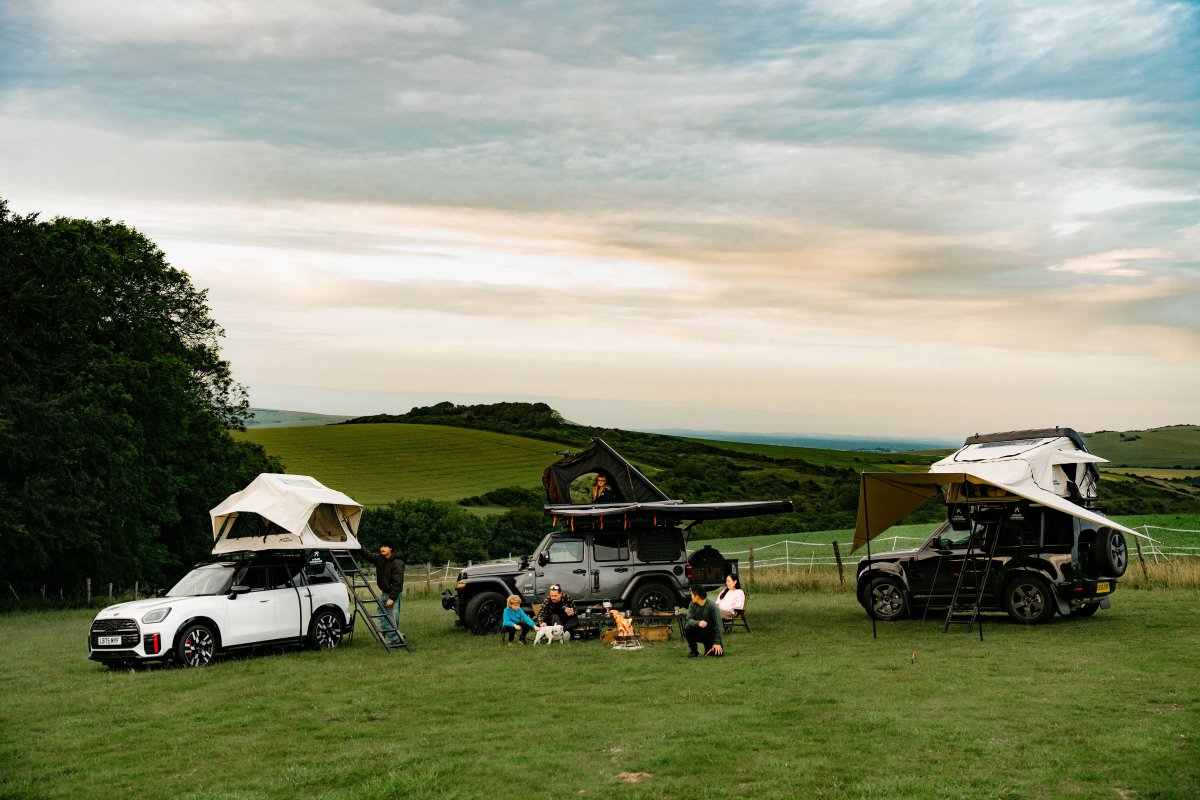
What if your most restorative night's sleep didn't happen in a boutique hotel, but two metres above the sodden grass of a beautiful British valley? For many, the traditional camping experience is defined by a persistent struggle against the elements. You've likely spent far too long wrestling with a rain-soaked ground tent or scouring a rugged hillside for a single level patch of earth. These frustrations lead many to a pivotal question: are roof tents worth it, or is this merely a high-altitude trend for the modern traveller?
We believe that true adventure shouldn't require sacrificing your comfort or your peace of mind. You deserve a system that rewards your curiosity with effortless utility and a sophisticated vantage point. This guide explores whether a rooftop sanctuary is the ultimate investment for your outdoor lifestyle or an unnecessary luxury. We will examine the reality of seamless setups, the benefits of superior sleep quality whilst elevated, and how a refined vehicle-mounted system can transform the way you explore the British wilderness in 2026.
Key Takeaways
- Learn how elevating your camp provides a fresh perspective on the UK wilderness whilst reducing setup time to less than five minutes.
- Determine if are roof tents worth it for your specific needs by evaluating their superior performance in wet, muddy conditions compared to traditional ground tents.
- Compare the long-term value of a rooftop sanctuary against the rising costs of British B&Bs and the significant investment of a bespoke campervan.
- Master the essential practicalities of vehicle compatibility, from understanding dynamic roof load limits to optimising fuel efficiency through aerodynamic shell choices.
- Discover how to expand your footprint with premium extensions and awnings, transforming a single tent into a multi-room basecamp for sophisticated group exploration.
Beyond the Ground: Why Elevation Defines the Modern Explorer
Elevation provides a vantage point that ground tents simply cannot match. It feels secure; it feels deliberate. When you climb the ladder to your sanctuary, you aren't just escaping the damp British soil. You're adopting a perspective that transforms your relationship with the wilderness. You're no longer a guest of the terrain; you're commanding it from a position of rugged sophistication. This psychological shift is perhaps the most overlooked benefit when people ask are roof tents worth it. The sense of security that comes from being two metres above the earth provides a peace of mind that ground-dwellers rarely experience.
The practical advantages are equally compelling. Traditional camping often involves a tedious battle with the elements. You spend twenty minutes wrestling with poles in a drizzle, only to find the ground is too uneven for a decent night's sleep. A quality Roof tent eliminates this friction entirely. You can go from pulling the handbrake to resting on your pillows in under five minutes. It's a seamless transition that preserves your energy for the adventure itself rather than the logistics of the site.
Cleanliness is another hallmark of the elevated experience. By staying off the ground, you effectively bypass the mud, insects, and dampness that define the traditional camping footprint. There's no need to spend hours drying out a muddy groundsheet or shaking out earwigs from your sleeping bag. Your quarters remain a pristine, high-altitude retreat, regardless of how boggy the Highland terrain might be below.
The Freedom of Spontaneous Exploration
The "always-ready" nature of a vehicle-mounted sanctuary redefines your weekend itinerary. Because your bed is already on the roof, the friction of preparation vanishes. You don't need to meticulously pack a boot full of pegs and mallets. This readiness encourages a more adventurous spirit. If you see a stunning coastal spot in Cornwall or a quiet corner of the Peaks, you can simply stop and settle. It's about movement and freedom. It's about knowing your home is wherever you park.
Superior Sleep Quality and Mattress Comfort
When investigating are roof tents worth it, sleep quality is the ultimate metric. Ground mats are notoriously unreliable; they leak air, provide poor insulation, and fail to mask the rocks beneath you. Most premium roof tents feature built-in, high-density foam mattresses that offer the support of a domestic bed. Being separated from the cold earth provides natural insulation, keeping you warmer during those crisp British nights. You gain a consistent sleep environment that doesn't depend on the quality of the ground below, ensuring you wake up refreshed and ready for the trail ahead.
Conquering the British Climate: The Roof Tent Advantage in Mud and Rain
Camping in the UK is an exercise in moisture management. Whether it's a persistent drizzle in the Lake District or a sudden Atlantic squall on the Cornish coast, the ground is rarely your friend. This is where the question of whether are roof tents worth it becomes a matter of practical survival and comfort. By elevating your sleeping quarters, you move beyond the reach of rising groundwater and the inevitable "bath mat" effect that plagues ground tents during heavy downpours. You're no longer at the mercy of a saturated groundsheet or a flooded pitch.
The mud factor is equally transformative. Traditional camping often ends with the arduous task of scrubbing a filthy footprint before it goes back into your vehicle. With a roof-mounted system, the grit and grime remain at tyre level. High-end hardshell designs are engineered to deflect wind, providing a stable, quiet environment whilst others are struggling with flapping canvas and snapping poles. Condensation, a common foe in the humid British climate, is managed through sophisticated ventilation systems that utilise the natural airflow found at height. This ensures your sanctuary remains breathable and dry, even when the humidity peaks.
Staying Dry Throughout the British Seasons
Premium roof tents utilise heavy-duty, ripstop fabrics with high hydrostatic head ratings to ensure absolute water resistance. Hardshell models act like a protective cocoon during autumn storms, offering a rigid barrier against driving rain that soft-sided alternatives can't always match. Entering the tent is also more controlled. Many systems allow for the addition of integrated annexes that create a dry transition zone, ensuring you don't bring the weather inside your sleeping area. It's a level of protection that turns a potentially miserable weekend into a refined outdoor experience.
The Post-Trip Routine: Cleaning and Maintenance
The true advantage reveals itself once you return home. Traditional ground tents often require a massive space to dry out a muddy base, a task made difficult by the UK’s high humidity and lack of indoor drying areas. A roof tent can simply be popped open on your driveway to air out. Whilst considering the long-term value and hidden costs of ownership, it’s vital to account for the time and effort saved in maintenance. Protecting your investment against mould and mildew is straightforward when the equipment is designed for rapid drying and easy access. If you're ready to upgrade your setup, exploring a range of durable roof tents can make your next rainy weekend significantly more enjoyable.
Calculating the Investment: Long-term Value vs. Alternatives
A premium rooftop sanctuary requires a higher initial outlay than a standard ground tent. This often leads prospective buyers to ask: are roof tents worth it when the price tag enters the four-figure range? To understand the true value, you must look beyond the purchase price and consider the long-term savings on accommodation. In the UK, a mid-range hotel or B&B stay frequently costs upwards of £150 per night. If you camp for just fifteen nights a year, your investment can effectively pay for itself within eighteen months. You aren't just buying gear; you're pre-paying for years of freedom.
Durability plays a critical role in this financial equation. Whilst a budget ground tent might last two or three seasons before the zips fail or the poles snap, a high-quality vehicle-mounted system is built for a decade of use. These units use marine-grade stainless steel, UV-resistant fabrics, and robust shell materials designed to withstand the grit of the road. Because these systems are highly sought after, they maintain exceptional resale value. Should your lifestyle change, the vibrant British overlanding community ensures a strong second-hand market, often allowing owners to recoup a significant portion of their original spend.
Roof Tent vs. Campervan: A Financial Breakdown
For many, the roof tent represents the perfect middle ground between a ground tent and a full campervan conversion. A second-hand campervan conversion in the UK can easily command £35,000 to £60,000. Beyond the purchase price, you face separate insurance policies, annual MOTs, and the mechanical maintenance of a second engine. A roof tent allows you to transform your daily driver into a capable explorer for a fraction of that cost. You retain the fuel efficiency and parking ease of a car whilst gaining the primary benefit of a van: a comfortable, permanent bed that's always ready for the night.
The ROI of Adventure: More Trips, Less Stress
The return on investment isn't purely financial; it's measured in time and experiences. The five-minute setup mentioned earlier isn't just a convenience. It's the difference between heading out for a Friday night micro-adventure or staying home because the thought of wrestling with gear feels too exhausting. When the friction of camping is removed, you travel more often. This ease of use fosters a deeper connection with the British landscape and provides access to a growing community of like-minded explorers who value quality and efficiency over traditional, cumbersome methods.

Navigating the Practicalities: Weight, Fuel, and Vehicle Compatibility
Technical feasibility is the final hurdle in determining if are roof tents worth it for your specific setup. Whilst the lifestyle benefits are clear, your vehicle must be a capable partner in this elevated journey. Understanding the logistics of weight and wind resistance isn't merely a matter of safety; it's about ensuring your car maintains its performance and efficiency on the long road to the Highlands or the coast.
Preparation begins with your vehicle's roof. Every car has a specific weight limit, and exceeding it can compromise handling or even damage the chassis. You must also consider the hardware that bridges the gap between your car and your sanctuary. Specialist roof rack manufacturers advise against using clamp-on or door-jamb style roof bars for this purpose. Instead, you should utilise professional-grade crossbars rated for the combined weight of the tent and its occupants to ensure a secure, stable base for your adventures.
Determining Your Vehicle’s Roof Load Limit
The most critical distinction to master is the difference between dynamic and static load capacities. The dynamic limit, found in your vehicle's manual, is the maximum weight the roof can safely carry whilst the car is in motion. Most British passenger cars have a dynamic limit between 50kg and 100kg. The static limit, which applies when the vehicle is stationary, is significantly higher. This allows the roof to support the tent, the occupants, and their gear without risk. Before you invest, verify these figures to ensure your daily driver is a suitable platform for an elevated camp.
Aerodynamics and On-Road Behaviour
Adding a structure to your roof inevitably alters your car's profile and its fuel consumption. Hardshell designs are the gold standard for those prioritising efficiency. Their slim, aerodynamic profiles minimise wind noise and drag, offering a more refined driving experience at motorway speeds. Softshell models, whilst often more affordable, create more turbulence and can lead to a more noticeable drop in miles per gallon. You should also be mindful of your vehicle's higher centre of gravity. Taking corners with more deliberation and organising your boot to keep heavy gear low will help maintain a balanced, confident feel on the road.
Managing your equipment during the off-season is the final practical consideration. If you don't plan on keeping the tent mounted year-round, you'll need a dry, secure space for storage. Many owners utilise ceiling-mounted pulley systems in their garages to make the installation and removal process a simple, one-person task. Accessibility is also key. Ensure the telescopic ladder is correctly angled and locked before use, providing a safe transition for all family members into the sleeping quarters. If you've verified your vehicle's capacity, you can browse our curated selection of roof tents to find the perfect match for your next expedition.
Elevating the Journey: Why Premium Equipment Matters
Choosing a roof tent is more than a purchase; it's the adoption of a specific philosophy. At Urban Caveman, we believe in merging rugged durability with a high-end, polished sensibility. It's about ensuring that your equipment doesn't just survive the wild but actively enhances your experience within it. When you evaluate if are roof tents worth it, you must look at the entire ecosystem of your vehicle. A single tent is a sanctuary, but a complete system, incorporating extensions and awnings, creates a sophisticated basecamp that adapts to any environment you choose to explore.
The definitive choice for the modern nomad isn't just about where you sleep. It's about the quality of the journey. By transitioning from basic gear to a curated vehicle setup, you gain a level of reliability that empowers deeper exploration. You aren't just camping; you're pioneering a more refined way to interact with the British wilderness. This holistic approach ensures that whether you're facing a solo weekend in the Peaks or a week-long family expedition in the Highlands, your equipment remains a silent, steadfast partner in your adventure.
Creating a Multi-Room Experience
The versatility of a modular camping setup allows you to tailor your space to the length of your trip. Tent extensions and annex rooms are the key to this flexibility, providing essential privacy and additional living space that ground tents struggle to match. These additions are perfect for creating a dedicated area for changing, cooking, or simply sheltering from a sudden British downpour without retreating to your sleeping quarters. For group camping, these integrated systems transform your vehicle into a multi-room basecamp, ensuring everyone has the space they need to enjoy the outdoors in comfort.
Craftsmanship and Technical Reliability
In remote locations, your gear is your lifeline. Premium equipment is defined by the details that budget alternatives often overlook. You should look for markers of superior craftsmanship, such as marine-grade stainless steel hinges, oversized SBS or YKK zips, and high-density, UV-resistant fabrics. These components ensure that your sanctuary remains functional after years of exposure to salt air and grit. Investing in quality prevents the frustration of gear failure when you're miles from the nearest town. If you're ready to commit to a more sophisticated way of exploring, you can Explore the Urban Caveman collection of premium roof tents to find a system built for the long haul.
The final verdict is clear. If you value your time, your comfort, and the freedom to explore without boundaries, are roof tents worth it? Absolutely. They represent a strategic lifestyle upgrade that trades the friction of traditional camping for the effortless utility of a vehicle-mounted sanctuary. You're investing in a more frequent, more comfortable, and more adventurous life under the British stars.
Claim Your Vantage Point
The transition from a traditional ground tent to an elevated sanctuary represents a fundamental shift in how you experience the British wilderness. By choosing a system that prioritises rugged sophistication and effortless utility, you move beyond the damp ground and the tedious logistics of standard camping. You've discovered that these vehicle-mounted retreats offer a strategic financial middle ground between basic gear and a full campervan conversion, effectively paying for themselves through years of spontaneous, hotel-free exploration.
When determining if are roof tents worth it, consider the value of your time and the quality of your rest. A modular setup featuring high-durability awnings and extensions allows you to create a multi-room basecamp that adapts to your specific needs. This is about more than just equipment; it's about providing the modern explorer with the tools to master the elements with confidence and ease.
Ready to refine your outdoor lifestyle? Upgrade your adventure with our premium roof tents and discover expertly curated overlanding gear for the UK climate. With rugged sophistication for the modern explorer and high-durability awnings and extensions available, you can build a system that is truly ready for anything. Your next high-altitude retreat is waiting.
Frequently Asked Questions
Do roof tents affect fuel consumption significantly on UK motorways?
Adding a roof tent will increase your vehicle's fuel consumption due to the added weight and wind resistance. Hardshell models are more aerodynamic and generally result in a smaller efficiency drop compared to softshell profiles. You can expect a reduction in miles per gallon of around 10% to 20% on UK motorways. Driving at a steady 60mph rather than 70mph helps mitigate this impact and preserves your range for the journey ahead.
Can I install a roof tent on a small hatchback or compact car?
You can install a roof tent on a small hatchback as long as the unit's weight is within your car's dynamic roof load limit. Many compact cars have a limit of 50kg to 75kg, which accommodates lighter softshell models. It's essential to check your vehicle's manual for the official figure before purchase. This allows drivers of smaller vehicles to enjoy a sophisticated camping setup without needing a large 4x4 or a dedicated van.
Is it safe to sleep in a roof tent during a British thunderstorm?
Sleeping in a roof tent during a British thunderstorm is safe because your vehicle acts as a Faraday cage. The metal structure directs lightning strikes around the exterior and into the ground, protecting the occupants inside. However, you should avoid parking under tall, isolated trees or on high, exposed ridges during severe weather. If wind speeds exceed the tent's rated capacity, it's wiser to retreat to the car's interior for the night for total security.
How do I store a roof tent if I do not have a garage?
If you don't have a garage, you can store your roof tent outdoors using a high-quality, weather-resistant cover. Many owners use a dedicated storage rack or a set of heavy-duty sawhorses in a secure garden area to keep the unit off the damp ground. It's vital to ensure the tent is completely dry before long-term storage to prevent mould. Keeping it under a breathable tarp will protect your investment from the UK's unpredictable climate during the off-season.
Do I need a special roof rack to support the weight of a roof tent?
You must use a high-quality roof rack system that is explicitly rated for the weight of your tent and its occupants. Major manufacturers recommend against using clamp-on bars that grip the door frame for roof tents. Instead, you need a system that attaches to fixed points, rain gutters, or raised roof rails. Ensuring your rack can handle the dynamic load is the primary factor in deciding if are roof tents worth it for your current vehicle.
Are roof tents comfortable for side sleepers or those with back pain?
Most premium roof tents are exceptionally comfortable for side sleepers and those with back pain. They feature built-in, high-density foam mattresses that provide far better support than inflatable ground mats or thin foam pads. This consistent, flat surface eliminates the pressure points caused by uneven ground or hidden rocks. You can also add an anti-condensation mat or a memory foam topper to further enhance the luxurious feel of your elevated sanctuary.
How long does it realistically take to set up a roof tent alone?
A single person can realistically set up a hardshell roof tent in under two minutes. Softshell models take slightly longer, usually between five and ten minutes, as they require unfolding the base and adjusting the telescopic ladder. This unrivalled speed is a core reason why are roof tents worth it for solo travellers and those who move sites frequently. You can arrive at a camp and be ready for sleep almost instantly, regardless of the light levels.
Can I leave my bedding and pillows inside the tent whilst it is closed?
You can leave your sleeping bags, pillows, and even some light bedding inside many roof tents whilst they are closed. Hardshell models usually offer enough internal clearance to keep a full bedding set ready for your next stop. Some thinner softshell tents may require you to remove bulkier pillows to ensure the cover closes securely. This feature significantly reduces your daily pack-down time and ensures your bed is always waiting for you at the end of the road.
Share:
Roof Load Limit for Rooftop Tent Setups