

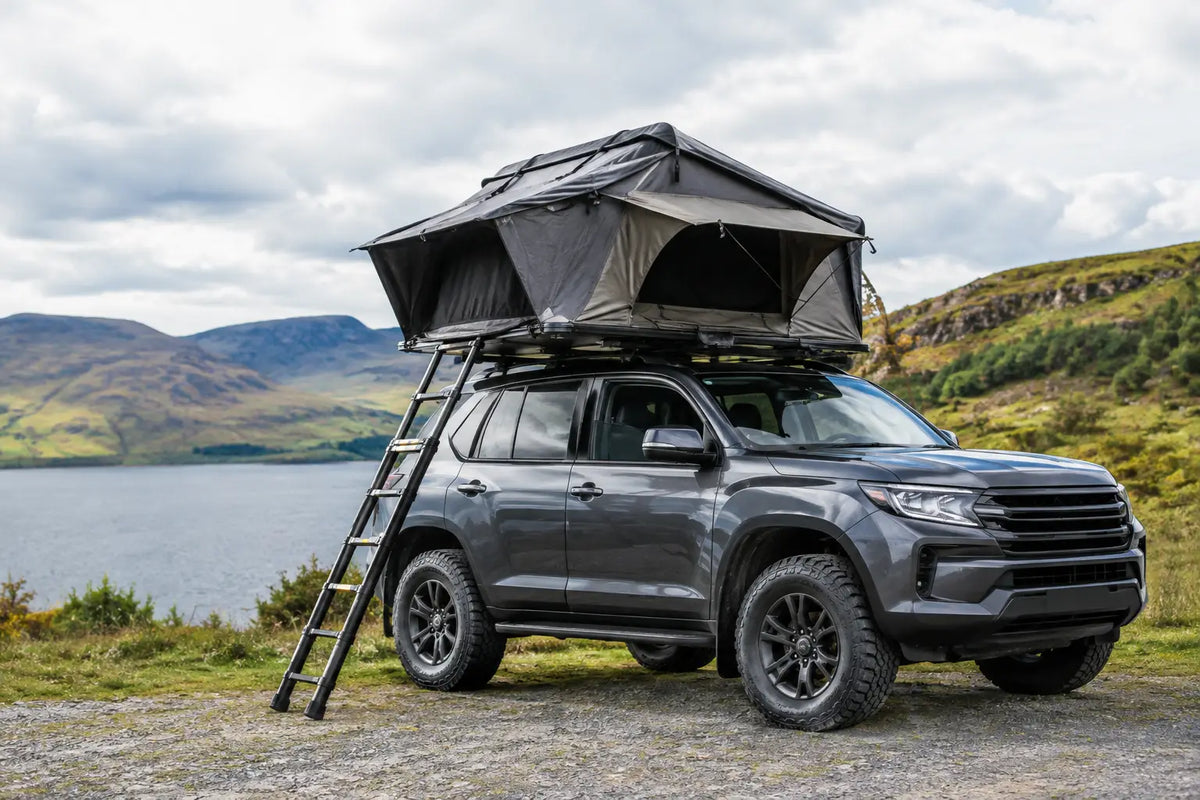
A Friday escape should not end with wet bedding, a seized zip and a tent that takes longer to pack than the drive home. This premium roof tent durability review looks beyond the showroom finish at what keeps a rooftop setup dependable through British rain, motorway miles, coastal wind and repeated weekends away.
Premium kit is not about making camping precious. It is about removing the weak points that turn a spontaneous plan into a chore. A well-built roof tent should feel composed on the road, dry when the weather changes and simple to live with after its hundredth opening, not just its first.
What premium durability actually means
Durability is not one material claim or an impressive-looking shell. It is the way the whole system handles time, movement and weather. The tent body, base, ladder, hinges, mounting hardware, mattress cover and zips all have a job to do. One weak component can make an otherwise excellent tent frustrating.
For UK drivers, that system is tested in a particular way. Our conditions are rarely dramatic for long, but they are relentlessly mixed. A tent may sit in cold rain overnight, bake in brief summer sun, collect road grime on the M5, then be stored damp after a bank-holiday dash home. Premium construction earns its place by tolerating that cycle without becoming noisy, leaky or difficult to operate.
It also needs to work away from the brochure-perfect campsite. Gravel pitches, uneven fields, exposed headlands and narrow lanes all reveal whether the design has been thought through. Strength matters, but so do sensible details: protected hinge points, tidy cable routing where fitted, secure storage straps and a cover that does not fight you in the wind.
Premium roof tent durability review: the parts worth inspecting
The shell or base carries the real load
A hard-shell roof tent should have a clean, rigid outer form, but looks are only the beginning. The shell needs to resist vibration at speed and repeated opening without flexing excessively or stressing the mounting points. Look at the join between shell and base, the latch alignment, and whether the lid closes evenly. A lid that needs forcing when new will not become easier after a winter of use.
Soft-shell tents rely more heavily on the baseboard, folding mechanism and travel cover. A good base should feel stable under changing weight, especially when two people move around inside. The cover should be thick enough to resist road spray and abrasion, with straps or fasteners that remain secure rather than becoming an afterthought at the end of a long day.
Neither format automatically wins on durability. Hard shells usually offer better protection while travelling and fewer exposed fabric surfaces in transit. Soft shells can provide generous living space and, when properly made, deliver years of reliable use. The right choice depends on how you travel, where you park and whether rapid setup or maximum room matters more.
Fabric must manage water and airflow
Waterproofing alone is not the whole story. A tent that blocks rain but traps moisture inside can leave you with condensation, clammy bedding and a damp smell by morning. Premium tent fabric balances weather resistance with ventilation, using well-positioned windows, mesh panels and rain protection that still lets air move.
Pay close attention to seams, window surrounds and the points where fabric meets the frame. These are the areas most likely to be under tension in wind. Reinforcement should look deliberate and neat, not like a patch added after the design was finished. A heavy-duty zip is reassuring too, but it must run smoothly and be protected by a storm flap where rain is likely to hit.
Canvas-like fabrics can feel more substantial and often manage internal moisture well, although they may need more drying time before storage. Lighter technical fabrics pack efficiently and dry fast, but demand good construction at stress points. There is no universal best option. The right fabric is one that suits your actual pattern of use and is easy to care for when you return to the city.
Hinges, ladders and mechanisms decide the long game
The moving parts deserve more scrutiny than the fabric. You can repair a small tear. A failed hinge or ladder joint can stop the trip.
Open and close a roof tent with the same attention you would give a car boot or front door. Does the mechanism move cleanly? Do latches engage positively? Does the ladder extend without wobble or pinching? A premium ladder should adjust confidently on uneven ground and support entry without feeling like it is doing you a favour.
Metal components need protection from corrosion, especially if your routes include salted winter roads or sea air. Surface finishes, stainless fittings where appropriate and protected joints all help. Still, no finish is immune to neglect. Rinse off salt and grit after coastal or winter trips, and do not leave trapped moisture around hardware.
Mounts matter as much as the tent
A durable roof tent can only perform as well as the rack system beneath it. Your vehicle roof rating, roof bars and mounting hardware must be compatible with the tent's weight and intended use. Dynamic roof load applies while driving. Static capacity applies when parked and people are inside. They are different figures, and both matter.
Incorrect fitting introduces movement, noise and unnecessary stress long before anything visibly fails. Check the mounts after the first journey, then periodically after rough roads or long motorway runs. The goal is not to constantly tighten everything without thought. It is to spot shifting, worn protective pads or loose hardware before a minor issue becomes an expensive one.
Weatherproof is not the same as maintenance-free
A premium tent gives you more confidence in poor weather, but it still benefits from a few calm habits. Pack it dry whenever possible. If you must close it wet, reopen it to air at the first opportunity. Sweep leaves, sand and grit from seals before shutting the shell or cover, as debris can compromise the closure and wear surfaces over time.
At home, store the tent according to its design and the manufacturer's guidance. Check fabric for stains or mildew, lubricate moving parts only with suitable products, and inspect the mounting hardware before bigger journeys. Avoid blasting zips or hinges with aggressive cleaners. Simple care protects the details that make a premium system feel effortless.
Before a new season, take ten minutes to look for four signs of wear:
- Fraying webbing, loose stitching or damage around stress points.
- Stiff zips, bent ladder sections or latches that no longer align cleanly.
- Cracks, distortion or water ingress around the shell, base or seals.
- Movement in roof bars, brackets or mounting hardware.
Where the premium difference becomes clear
The real value of a premium roof tent is felt at inconvenient moments. It is arriving after dark and setting up without a debate. It is sleeping above soaked ground while rain works through the night. It is closing down in a gust without wrestling loose fabric. It is knowing the tent still feels precise after many journeys, rather than treating every trip as a test.
That does not mean the most expensive option is always the right one. A couples' weekend tent does not need the same priorities as a family basecamp setup, and a vehicle used daily in London may favour a lower profile over the largest possible sleeping area. Be honest about passenger numbers, storage, roof capacity, frequency of use and where you expect to travel.
For buyers choosing a premium system such as Urban Caveman, warranty cover and after-sales support should be part of the decision too. A meaningful guarantee is not a replacement for good care, but it shows whether a brand is prepared to stand behind the equipment once the first trip is over.
Buy for the journeys you will actually make, then look after the gear that gets you there. The best roof tent is not the one that survives a dramatic photograph. It is the one that makes you check the forecast, load the car and leave anyway.
Share:
Elevated Campsite Setup for Better Weekends
Awning Rooms for Bigger, Better Campsites