

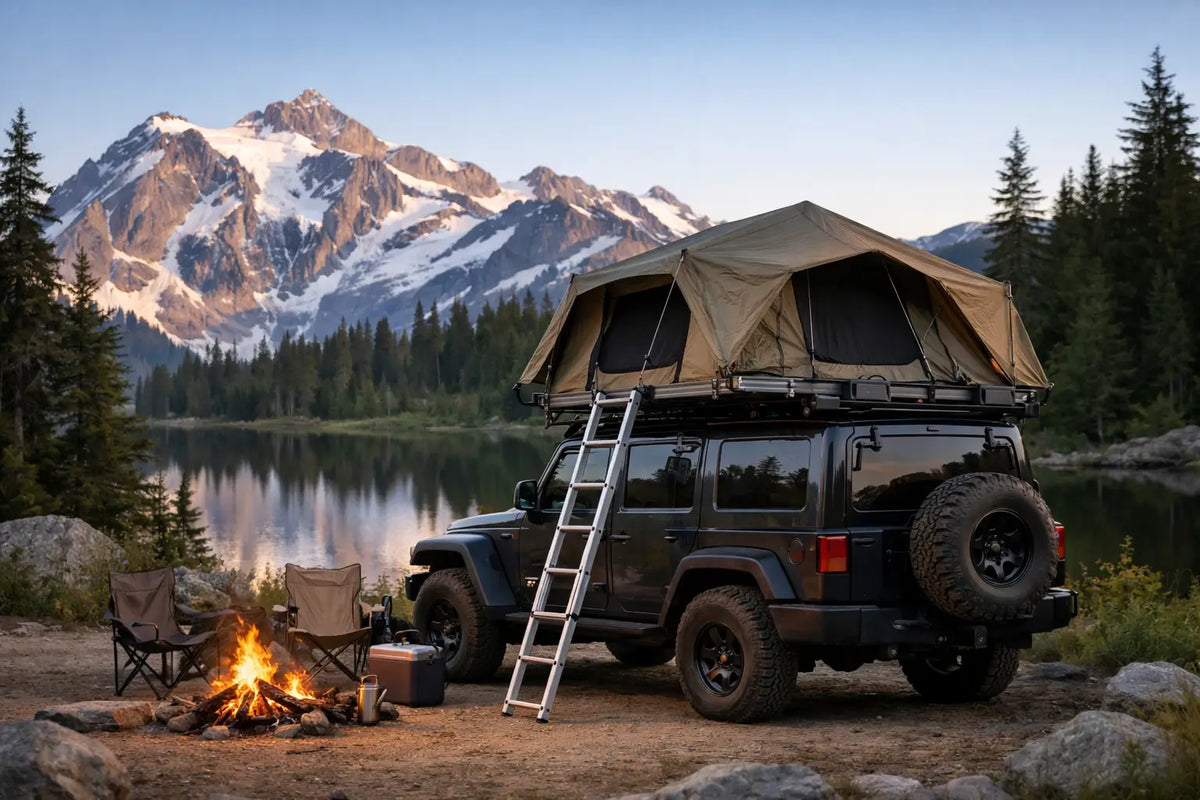
A wet Friday afternoon, a full calendar, and a car pointed towards the coast can still become a proper escape. The best rooftop tents remove the part that usually kills the mood: wrestling with poles, hunting for level ground and trying to stay comfortable when the weather turns.
This is camping with less compromise. Your bed travels on the roof, setup takes minutes rather than an evening, and you wake up above the mud with a view worth getting up for. But the right tent is not simply the biggest or most expensive option. It needs to suit your vehicle, the way you travel and the kind of comfort you refuse to leave behind.
What makes the best rooftop tents worth it?
A rooftop tent changes the rhythm of a trip. Arrive late at a campsite, pull into a quiet spot after a long drive, and your sleeping space is already with you. There is no need to find a perfectly flat patch of grass or carry a separate tent through a muddy field.
Elevation matters in Britain. It puts your sleeping area clear of ground moisture, puddles and crawling visitors, while a proper mattress gives you a far better starting point than a thin camping mat. Add an integrated ladder, covered entrance and weatherproof shell or fabric, and the car becomes a base camp rather than just transport.
The trade-off is weight and height. A rooftop tent affects fuel economy, can add wind noise on motorways and makes multi-storey car parks a problem. It is equipment for people who value fast, comfortable camp setup enough to accept those everyday compromises. For weekend regulars, road-trippers and off-grid explorers, that is often an easy decision.
Choose a rooftop tent around your real trips
Start with where you go, not just how the tent looks on the roof. A couple heading to the Peak District for two nights has different needs from a family travelling through Scotland for a fortnight. More space is always welcome at camp, but a larger tent is heavier, bulkier and may be slower to deploy.
Hard shell, soft shell or wedge?
Hard-shell rooftop tents are the cleanest choice for rapid stops. Their rigid cases protect the tent in transit, and many open in seconds with gas struts. They tend to feel refined, particularly for regular getaways where you want to arrive, lift the roof and put the kettle on. Their packed profile can also be more aerodynamic than a folded fabric tent, though this varies by design.
Soft-shell tents usually offer generous sleeping space for their price and can work well for families or anyone who wants a large footprint. They fold out from the side of the vehicle, often creating a wider sleeping platform. The compromise is a longer setup, a larger packed shape and more fabric to dry before storing after a rainy trip.
Wedge tents sit between the two in spirit: compact, quick and built for movement. Their angled profile is well suited to solo travellers and couples who prioritise low packed height and fast overnight stops. The shape can limit headroom at one end, so it is worth thinking about how much time you will spend inside beyond sleeping.
There is no universal winner. If your ideal trip means moving camp every day, speed matters. If you stay put for several nights with children, usable space and an extension may matter more.
Vehicle fit comes before every other feature
The best-looking tent is the wrong tent if your roof system cannot carry it safely. Check your vehicle’s dynamic roof-load limit, which is the maximum weight it can carry while driving. This needs to account for the tent, roof bars or rack, and any gear mounted alongside it.
Do not confuse this with static load. Once parked, a vehicle roof can generally support much more weight because the load is distributed differently. Even so, use a compatible rack or bars, follow the vehicle and tent instructions, and make sure the mounting points are correctly spaced and securely tightened.
Measure the usable length and width of your roof too. A compact hatchback, estate, SUV and pickup can all carry rooftop tents, but fitment varies. Think about tailgate clearance, aerials, sunroofs and whether the open tent will obstruct doors. If you use a lorry-height barrier at your gym car park or commute into the city, measure the new vehicle height before you set off.
A premium tent should feel integrated with the vehicle, not perched on it as an afterthought. Good fit improves stability on the road and makes every setup calmer at camp.
Comfort is more than mattress thickness
A decent mattress is non-negotiable, but it is only one part of a good night outdoors. Look at internal dimensions, headroom, window placement and ventilation. Two adults can technically fit in a narrow tent, but that does not mean they will sleep well after a full day walking, riding or driving.
The best designs create a space you actually want to use. Wide openings make mornings easier. Mesh panels allow airflow while keeping insects out. Multiple windows help manage condensation and let you adjust for privacy, breeze or a better view. Pockets, LED lighting points and sensible ladder placement are small details that become very useful after dark.
For UK conditions, ventilation and waterproofing must work together. A completely closed tent can become stuffy and damp from breath overnight, especially in autumn and early spring. A well-designed rainfly, quality seals and controlled airflow are what keep rain outside without trapping moisture inside.
Consider the entrance route as well. A ladder on the side of the vehicle may be ideal on one pitch and awkward on another. If you often camp with a dog, young child or a lot of kit, an annex or tent extension can create a sheltered changing room and a dry place to leave boots. It will not be essential for every overnight stop, but it transforms longer stays.
Build quality shows up when the forecast changes
Blue-sky camping is easy. The real test arrives when the wind picks up on the Northumberland coast or rain starts before breakfast in Snowdonia. Seek out durable, weather-resistant fabric, strong zips, reinforced hinges and a shell designed to handle regular road use. These are not glamorous specifications, but they decide whether a tent remains dependable after seasons of opening, closing and travelling.
Pay attention to how the tent secures when packed. A loose cover, awkward buckles or exposed fabric quickly become irritating in wet weather. The ideal setup is one person can manage confidently, even after a long drive and without an audience offering unhelpful advice from the campsite.
Weight is another quality consideration. Heavier can mean stronger materials, but excess weight makes fitting harder and narrows your vehicle options. The aim is not the heaviest tent. It is a considered balance of durable construction, manageable handling and a roof load your vehicle can carry with confidence.
Think beyond the tent itself
A rooftop tent is the centre of camp, not the whole system. The best setup makes the hours around sleep feel easy too. An awning creates shade on bright days and cover when the rain starts. A tent extension adds privacy and useful living space. A compact camp table, warm bedding and organised storage do more for comfort than adding another bag of random gear.
Keep the system honest to your travel style. If you take spontaneous one-night breaks, avoid accessories that take longer to set up than the tent. If you spend a week away, extra covered space pays for itself every time you cook, change or wait out a shower.
At Urban Caveman, the focus is on making that upgrade feel straightforward: refined vehicle camping equipment built for quick setup, changing weather and life beyond the city. When comparing any premium option, look beyond the product photos. Clear compatibility advice, a meaningful warranty, reliable delivery and support after purchase are part of what makes an investment feel secure.
A smarter way to buy a rooftop tent
Before ordering, picture a normal trip from driveway to bedtime. Who is sleeping inside? Where will you store bedding? How often will you remove the tent? Will it spend winter on the vehicle? These questions prevent the common mistake of buying for a once-a-year expedition rather than the weekends you will actually take.
Budget for the whole setup, including suitable roof bars or a rack, an anti-theft solution, bedding and any awning or extension you genuinely need. It is better to buy a tent that fits your vehicle and habits perfectly than chase maximum capacity or unnecessary features.
The right rooftop tent should make leaving feel easier. Keep it packed, keep a small camp kit ready in the boot, and let a free weekend be enough reason to find the next quiet track, coastline or clearing.
Share:
Car Awning Shelter for Faster Campsite Comfort
Are Rooftop Tents Safe? What Matters Most